







Search Results for: specialty Arabica
A Complete Analysis of Coffee's Three Native Species: Regional Characteristics and Flavor Differences of Arabica, Robusta, and Liberica
Walking into a coffee shop, the menu often says "100% Arabica," but do you really understand this variety? In fact, Arabica is just one of the three native species of coffee beans, not a specific drink. This article will systematically sort out the origins, growing conditions, flavor profiles, and commercial value of the three major varieties—Arabica, Robusta, and Liberica—to help you understand the unique charm of Arabica and its core position in specialty coffee. At the same time, we will also discuss the quality gap between 10-yuan and 30-yuan coffee, the true identity of Blue Mountain and Kopi Luwak, and how Front Street Coffee presents the origin personality of single-origin coffee. [more…]
A Comprehensive Analysis of Arabica Coffee Varieties: Flavor Characteristics, Main Subspecies, and Specialty Coffee Icons
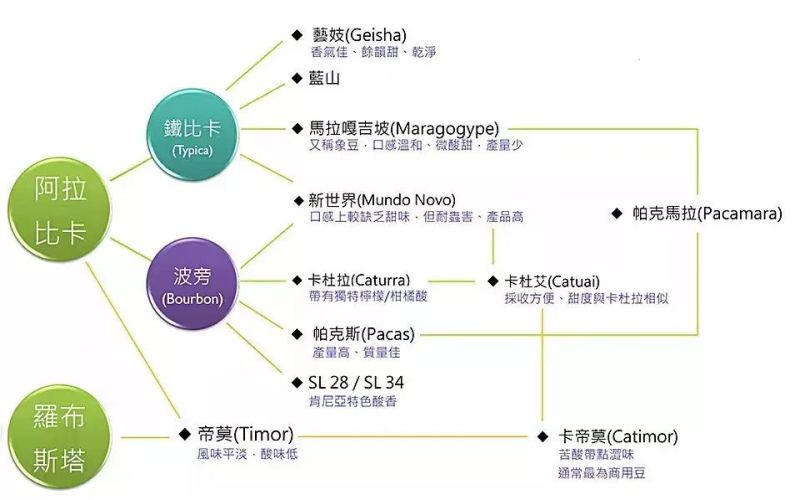
Arabica is the most widely consumed coffee species in the world, accounting for about 70% of the market and serving as the core of specialty coffee. This article provides a systematic introduction to Arabica from the perspectives of its origin, botanical characteristics, and growing conditions, and reviews one by one the origins and flavor profiles of major varieties such as Typica, Bourbon, Caturra, Catuai, Geisha, and SL28/SL34. It also compares the differences with Robusta and explains why Arabica can present richer and more elegant layers of acidity and sweetness. The article also includes recommendations for several Arabica bean products from Front Street Coffee as well as advice on freshness for brewing, making it suitable for coffee enthusiasts who want a deeper understanding. [more…]
What grade do Arabica coffee beans belong to? A comprehensive interpretation of specialty Arabica variety characteristics and flavor profile
You often see the label "100% Arabica," but what exactly is Arabica? How does it differ from Robusta? Why is Arabica regarded as a higher-grade coffee variety? This article will systematically sort out Arabica's varietal origins, growing conditions, and flavor characteristics, as well as its core differences from Robusta in yield, cost, and flavor. It will also introduce the special existence of specialty Robusta, and, combined with Front Street Coffee's blends and everyday drinking bean series, help coffee lovers gain a clearer understanding of coffee bean grades and the direction for choosing them. [more…]
Arabica, Robusta, and Liberica: A Detailed Explanation of the Characteristic Differences and Market Value of the Three Original Coffee Bean Species
In the coffee market, "100% Arabica" has almost become synonymous with quality, but most consumers are unaware that Arabica is actually the name of a coffee bean species, not a specific beverage. Global coffee comes primarily from three native species—Arabica, Robusta, and Liberica—which differ significantly in yield, growing conditions, flavor profile, and commercial use. Among them, Liberica has nearly withdrawn from the commercial stage, Arabica dominates the specialty market with its delicate aroma, and Robusta, with its high body and rich crema, plays an irreplaceable role in espresso blends. Understanding the essential differences among these three species not only helps you see through marketing rhetoric but also enables you to make more accurate judgments when purchasing coffee. [more…]
Arabica Specialty Coffee Bean Buying Guide | What Coffee Is Arabica Single-Origin Coffee Bean Suitable For?
We often see the words "pure Arabica coffee beans" in TV commercials, or in coffee shops and convenience stores. Many people are very curious: what are Arabica coffee beans? In this article, Front Street will answer these questions one by one ~ What are Arabica coffee beans? There are three main types of coffee beans in the world. [more…]
Arabica Coffee | What Is Arabica Coffee? 8 Recommended High-Value Specialty Pour-Over Coffee Beans with Subtle Acidity and a Sweet Aftertaste
Is Arabica a coffee brand from some country? Arabica is the name of a coffee variety, and it is a very common coffee variety name. "Made with 100% Arabica coffee beans," "selected Arabica coffee beans"... In our daily lives, when we buy all kinds of coffee products, the packaging always says " [more…]
Arabica Coffee|What types of Arabica coffee beans are there? Recommendations for good-tasting, affordable specialty Arabica pour-over coffee beans
Arabica refers to a coffee variety. According to Front Street Coffee, there are currently three major coffee varieties in the world: Arabica, Robusta, and Liberica. Among them, Arabica coffee beans have the best flavor performance, so they are used to make specialty coffee. At the same time, its caffeine content [more…]
Does Robusta count as specialty coffee? Why is the price so low? How much does it cost per catty?
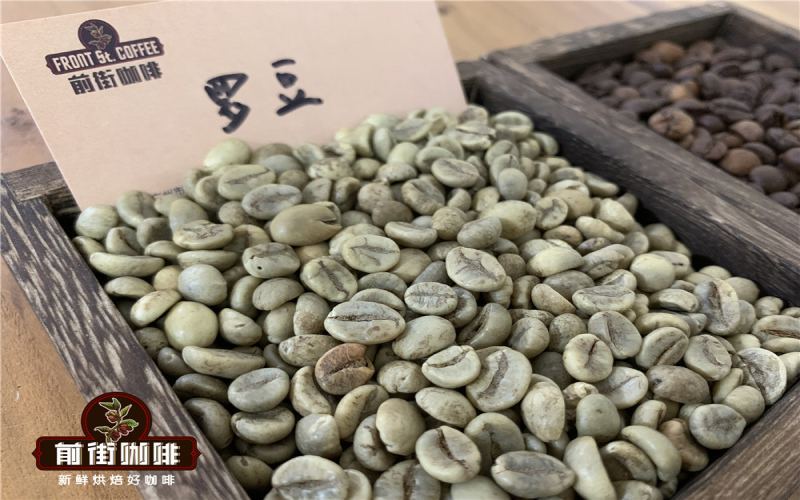
The coffee world is mainly divided into three major species: Arabica, Robusta, and Liberica, of which only the first two have commercial value. In the specialty coffee world, Robusta is almost entirely overlooked, and merchants often use 100% Arabica as a selling point. Robusta is often seen as a symbol of cheapness and bitterness, but it also had a glorious period, and today it is mostly used in instant coffee and espresso blends. This article will sort out Robusta's origins, flavor characteristics, differences from Arabica, and why it is cheap and how much it costs per catty, while retaining relevant recommendations from the Front Street brand to help coffee lovers gain a comprehensive understanding of this species. [more…]
A Complete Analysis of Coffee Bean Classification: Differences Between Arabica and Robusta and Common Arabica Varieties
There are many coffee-producing regions around the world, and the coffee beans produced in places such as Brazil, Colombia, and Indonesia each have their own reputation. In plant taxonomy, coffee belongs to the Rubiaceae family, and about eighty coffee tree species have been confirmed, among which there are three main cultivated species used for drinking: Arabica, Robusta, and Liberica. Arabica is known for its delicate flavor and aroma and is often used for single-origin and specialty coffee; Robusta, due to its strong adaptability and high yield, is mostly used for instant coffee. Each has its own advantages, and they have also given rise to many hybrid varieties. This article will systematically sort out the characteristics of these two major coffee species, and introduce common Arabica sub-varieties such as Typica, Bourbon, Catimor, and Maragogipe, while also sharing Front Street Coffee's cupping experience and product recommendations for the related bean types. [more…]
A Complete Guide to the Three Major Coffee Bean Varieties: Flavor Characteristics and Subspecies of Arabica, Robusta, and Liberica
The coffee world is vast and complex, but ultimately, the coffee beans on the market are mainly divided into three major species: Arabica, Robusta, and Liberica. Among them, Arabica, with its elegant flavors and rich aromas, accounts for 70% of the global consumer market and has become the absolute mainstay of specialty coffee; Robusta is known for its high caffeine content and robust flavor, and is mostly used in commercial blends and instant products; Liberica, meanwhile, is relatively rare. Under Arabica, there are also many subspecies such as Typica, Bourbon, Caturra, Catuai, and Geisha, each with its own unique flavor profile. This article will systematically sort out the characteristic differences among the three major species, and take an in-depth look at well-known Arabica subspecies, while also bringing Front Street Coffee's fresh roasting and brewing suggestions to help coffee lovers gain a more comprehensive understanding of the flavors in the cup. [more…]
How Are Arabica and Robusta Different? An In-Depth Analysis of the Three Major Native Coffee Bean Species and Their Commercial Value
Walking into a café, you often see "100% Arabica" as a selling point, but what exactly is Arabica? How does it differ from Robusta and Liberica? This article sorts out the origins, growing conditions, flavor characteristics, and market positioning of the three main native coffee species, compares the different roles of Arabica and Robusta in aroma, disease resistance, caffeine content, and espresso blends, and explains the quality gap between 10-yuan and 30-yuan coffee, the varietal classification of Blue Mountain and Kopi Luwak, and how professional brands such as "Front Street Coffee" present the terroir charm of single-origin coffee. [more…]
An In-Depth Look at the Two Mainstream Coffee Bean Varieties: Characteristics of Arabica and Robusta, Common Arabica Sub-Varieties, and Hybrid Breeding
In the global coffee-growing landscape, origins such as Brazil, Colombia, and Indonesia each have their own renown, while botanically coffee belongs to the Rubiaceae family under the genus Coffea, with over a hundred known species, though commercial cultivation is mainly concentrated in three varieties: Arabica, Robusta, and Liberica. Arabica is known for its elegant flavors and rich aromas, accounting for more than seventy percent of global production, and is often used for single-origin and specialty coffee; Robusta, on the other hand, is heat-tolerant, high-yielding, and highly stress-resistant, and is mostly used for instant coffee and espresso blends. This article systematically reviews the advantages and disadvantages of these two major varieties, the origins and flavor characteristics of common Arabica sub-varieties such as Typica, Bourbon, Catimor, and Maragogype, and introduces the Castillo variety bred from a cross between Arabica and Robusta, while also sharing related product experiences from Front Street Coffee in stores and during cupping. [more…]
An Analysis of the Differences Between Arabica and Robusta: Does Specialty Coffee Use Only Arabica Beans?
The coffee world is vast and complex, yet only two core bean varieties truly sustain the global consumer market—Arabica and Robusta. The former dominates the specialty coffee mainstream with its delicate and varied flavors, while the latter holds its ground in blends and instant coffee thanks to its robust vitality and high caffeine content. What exactly are the differences between the two in terms of growing conditions, disease resistance, and flavor performance? Is specialty coffee synonymous with pure Arabica? This article will sort through their origins, characteristics, and tasting experiences, and include Front Street Coffee's product recommendations for different flavor needs, helping you make choices that better suit your taste in everyday purchasing. [more…]

A Comprehensive Analysis of Robusta Coffee Beans: From Origin to the Truth About Blending with Arabica
Among the three major coffee varieties, Robusta has long been neglected as an instant coffee ingredient, but in recent years it has quietly returned to the spotlight of the specialty coffee world. This article begins with Robusta's African origins, clarifies its botanical relationship with Canephora and Arabica, reviews its glorious role during the heyday of espresso, and confronts its inherent flavor shortcomings. At the same time, the article will also discuss attempts at specialty-grade Robusta such as India's "Coffee Royal," and how Front Street Coffee uses Robusta in classic blends and shop-opening recipes to enhance crema and body. If you're curious whether blending Robusta with Arabica actually tastes good, this article will provide a complete answer. [more…]

Arabica, Robusta, and Liberica: Differences Among the Three Major Coffee Species and an Analysis of the Beans Used by Luckin
Coffee enthusiasts who move from chain brands into independent cafés often develop a strong interest in coffee varieties. This article systematically sorts through the appearance, flavor performance, and growing background of the three major coffee varieties—Arabica, Robusta, and Liberica—answers why chain brands such as Luckin prefer Arabica, and introduces representative products on the Front Street Coffee bean list, including Geisha and commercial blends. Whether you are a beginner just starting out or a seasoned veteran, you can gain a complete understanding of coffee varieties from it. [more…]
What Exactly Does Arabica Coffee Refer To? A Full Analysis from Variety Origins to the Flavors of the World's Mainstream Coffee Beans
When buying coffee, what exactly does "Arabica," which frequently appears on packaging, mean? It is not a coffee brand from any particular country, but an important botanical variety of coffee. This article, from the perspective of Front Street Coffee, sorts out the differences between Arabica, Robusta, and Liberica, explains why Arabica can account for more than seventy percent of global production, and clarifies its connection to specialty coffee. At the same time, the article introduces one by one the common Arabica branch varieties on the market—Typica, Bourbon, Caturra, Catuai, SL28 and SL34, Geisha, Ethiopian heirloom varieties, and Catimor—combining the origin, altitude, processing method, and brewing flavor of various representative beans from Front Street to help coffee enthusiasts build a clear framework for understanding varieties. [more…]
Do Arabica beans count as black coffee? What coffee drinks are high-grade single-origin coffee beans suitable for making?
You often see "100% Arabica coffee beans" on advertisements or in coffee shops, but many people are not clear about what Arabica actually means. This article will provide a detailed interpretation of Arabica coffee beans from the perspectives of variety characteristics, origin requirements, and flavor performance, and clarify the differences and connections between specialty coffee and single-origin coffee. At the same time, regarding the applicable scenarios for high-grade single-origin coffee beans, Front Street Coffee will also give specific brewing suggestions and daily bean recommendations to help coffee lovers better choose and use high-quality coffee beans. [more…]

%Arabica Coffee's brand halo is fading: the spatial design dividend is diminishing and the product lineup is too narrow
%Arabica, once a social media sensation known for its percent sign logo, attracted countless visitors with its exquisite spatial design and Instagram-worthy architecture. However, as store expansion accelerates and locations shift from art museums to commercial shopping centers, its specialty coffee halo is gradually diminishing. Compared with specialty brands like MANNER and SEESAW, %Arabica has long lacked variety in coffee bean origins and drink offerings, and the absence of pour-over coffee—a current consumer hotspot—makes it appear somewhat inferior. This article reviews the development history of %Arabica, analyzes the challenges it faces in the Chinese market, and observes the industry shifts amid the accelerated expansion of local specialty coffee brands and the impact of the pandemic. [more…]
Flavor Comparison of Typica and Catimor Coffee Beans: Yunnan Arabica Variety Characteristics and Brewing Flavor Analysis
The specialty coffee market has long been dominated by Arabica varieties, but in recent years hybrid varieties such as Catimor have gradually emerged. From the perspective of Front Street Coffee, this article systematically sorts out the differences between Arabica and Robusta, reviews the history of the Catimor variety's creation due to the leaf rust crisis, and analyzes its performance in disease resistance, yield, and cupping flavor. The article also specifically introduces the origin information and brewing flavors of three beans—Front Street Sun-Dried Catimor, Yunnan Arabica, and Golden Mandheling—helping coffee enthusiasts gain a comprehensive understanding of the current status and acceptance of the Catimor variety. [more…]
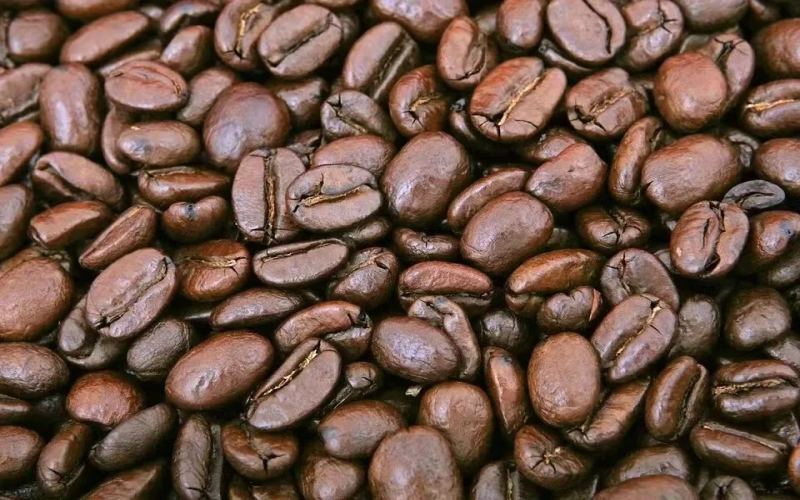
A Comprehensive Guide to Arabica Coffee Beans: What 100% Pure Arabica Means, Flavor Characteristics, and Everyday Bean Recommendations
When buying coffee grounds or instant coffee, the word "Arabica" often appears on the packaging, and many friends who are new to coffee are curious about what it actually means and what kind of quality 100% pure Arabica represents. From the perspective of Front Street, this article sorts out the botanical classification, growing conditions, and flavor characteristics of Arabica coffee beans, compares the differences with Robusta, explains why it has become the mainstream of the specialty coffee market, and introduces the multiple classic origins covered by Front Street's everyday beans series, helping beginners build an understanding of the basic flavors of major origins and understand the importance of coffee bean freshness to extraction. [more…]